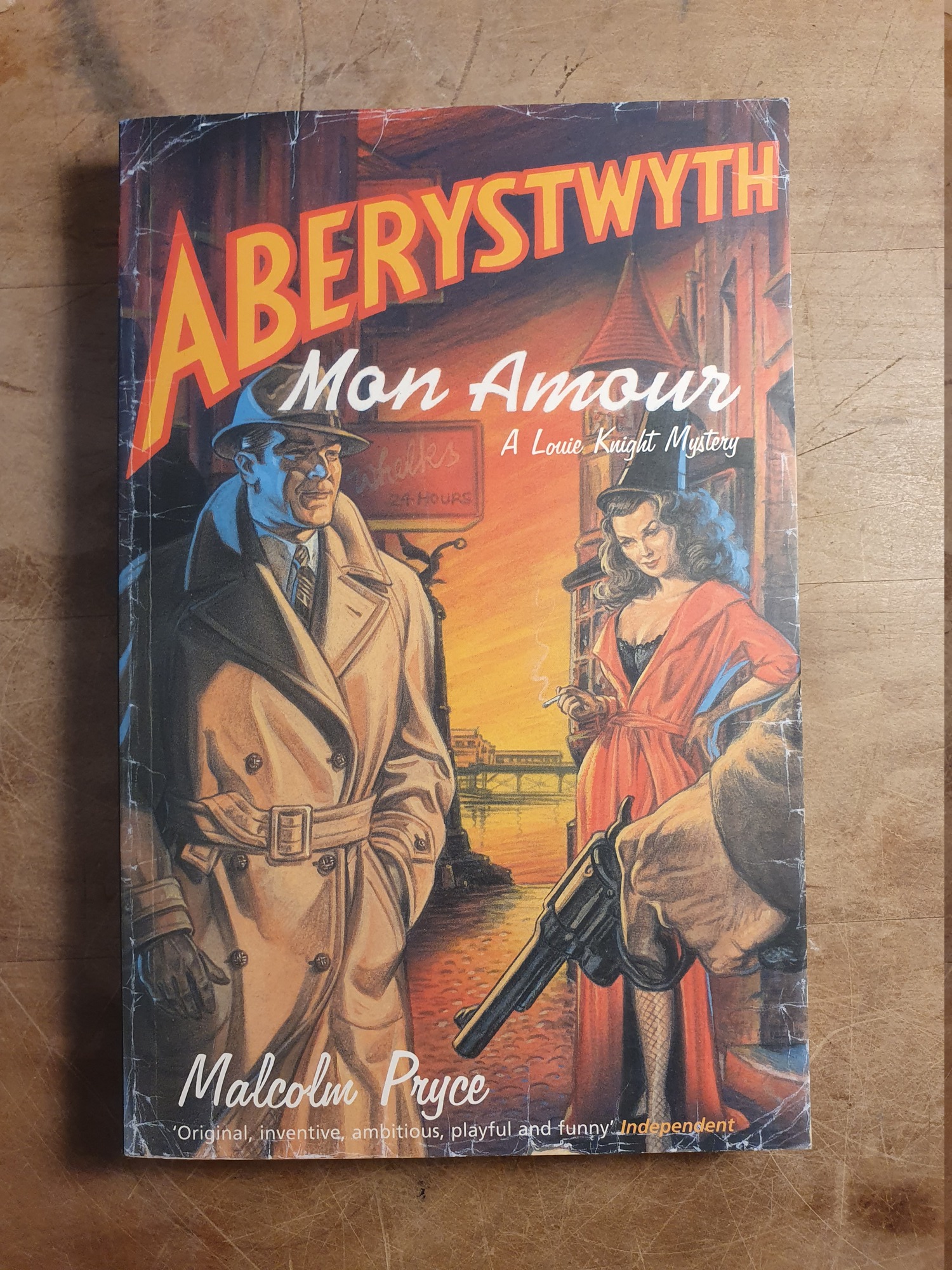
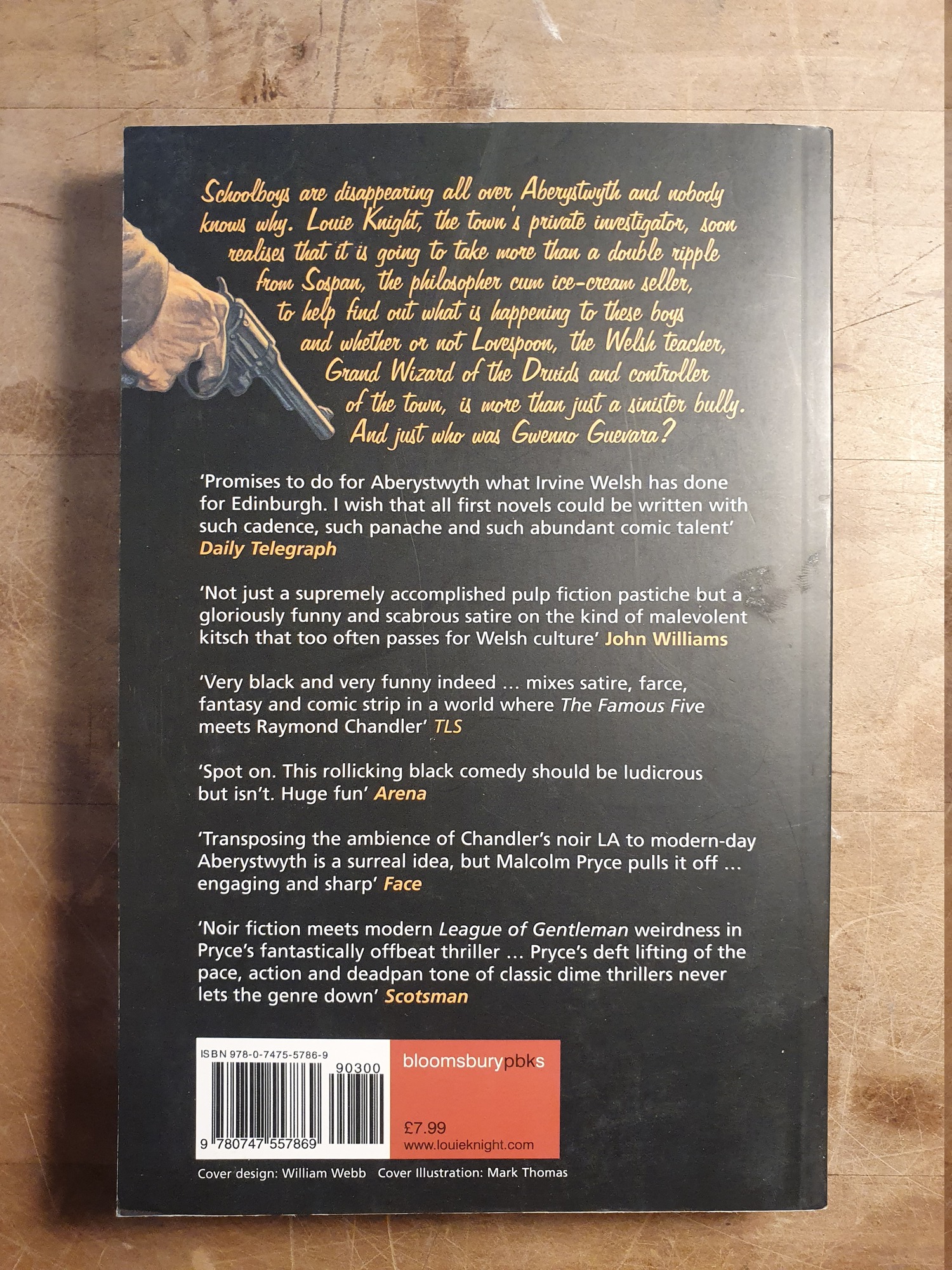
Okay, let's delve into *Mon Amour* by Maclolm Pryce. This is a fascinating and somewhat unsettling novel, steeped in the atmosphere of the French Revolution and exploring themes of obsession, memory, and the unsettling nature of the past. Here's a breakdown of the book, focusing on its key aspects and the significance of its author:
**1. The Book Itself: *Mon Amour***
* **Genre:** Psychological Noir, Gothic Horror, Historical Fiction, with elements of Mystery.
* **Setting:** The novel is set primarily in the Parisian countryside of the late 18th century, specifically around the region of the Loire Valley. It's a period of intense political upheaval, social unrest, and a palpable sense of dread.
* **Plot Summary (Brief):** The story centers around a young, ambitious, and somewhat melancholic man named Jean-Luc. He's drawn into a complex and increasingly disturbing situation involving a mysterious, beautiful woman named Isabelle. Isabelle is a figure from his past, a woman he's desperately trying to recapture, and the events surrounding her are shrouded in secrecy and a disturbing history. As Jean-Luc investigates, he becomes increasingly obsessed with Isabelle, blurring the lines between reality and memory, and ultimately confronting a horrifying truth about his own past and the nature of his desires.
**2. The Author: Maclolm Pryce**
* **Background:** Maclolm Pryce is a British author known for his dark, atmospheric, and often unsettling novels. He's a master of psychological suspense and a skilled storyteller.
* **Style & Tone:** Pryce's writing is characterized by a deliberate, almost obsessive, focus on detail. He creates a pervasive sense of unease and paranoia. His prose is precise and evocative, using imagery to build a chilling atmosphere. He frequently employs a detached, almost clinical voice, which adds to the unsettling feeling.
* **Themes Explored Through Pryce's Writing:**
* **Obsession and Memory:** Pryce frequently explores the destructive power of obsession, particularly when it's fueled by fragmented memories and a desire to recapture the past. The novel highlights how the past can become a prison, trapping individuals in a cycle of longing and regret.
* **The Unreliable Narrator:** Jean-Luc is a deeply flawed and unreliable narrator. His perceptions are skewed, and his memories are unreliable, contributing to the novel's sense of disorientation and mystery.
* **The Gothic Elements:** *Mon Amour* is heavily influenced by Gothic tropes - decaying estates, hidden secrets, a sense of impending doom, and a pervasive atmosphere of darkness.
* **Social Commentary:** Pryce subtly critiques the social and political tensions of the time, particularly the anxieties surrounding revolution and the fragility of the established order.
**3. Key Themes & Symbolism**
* **The Past as a Trap:** The novel's central theme is the way the past can trap individuals, preventing them from moving forward. Isabelle represents a past that refuses to be forgotten.
* **Memory and Illusion:** Jean-Luc's fragmented memories are a key element. He struggles to distinguish between what is real and what is a product of his imagination, blurring the line between truth and delusion.
* **The Nature of Desire:** The novel explores the darker aspects of desire - the obsessive, consuming nature of longing, and the potential for desire to be destructive.
* **The Rural Setting:** The isolated setting of the Loire Valley reinforces the sense of isolation and the characters' vulnerability.
**4. Why *Mon Amour* is Significant**
* **Atmosphere:** Maclolm Pryce's writing is exceptional at creating a palpable atmosphere of dread and unease. The reader feels the oppressive weight of the setting and the characters' mounting anxiety.
* **Psychological Depth:** The novel delves into the psychological complexities of its characters, exploring their motivations and vulnerabilities with a surprising degree of insight.
* **Ambiguity:** *Mon Amour* deliberately avoids providing easy answers. The ending is deliberately ambiguous, leaving the reader to grapple with the unsettling implications of Jean-Luc's experiences.
**Resources for Further Reading:**
* **The Guardian:** [https://www.theguardian.com/books/2018/nov/16/mon-amour-mac-lolm-pryce](https://www.theguardian.com/books/2018/nov/16/mon-amour-mac-lolm-pryce)
* **Literary Hub:** [https://www.theguardian.com/books/2018/nov/16/mon-amour-mac-lolm-pryce](https://www.theguardian.com/books/2018/nov/16/mon-amour-mac-lolm-pryce)
Do you want me to delve deeper into a specific aspect of the novel, such as:
* The symbolism of Isabelle?
* The role of the setting in creating the atmosphere?
* A particular character's motivation
|